
Art, Rules, and Feeling
The Sorrows of Young WertherThis flow examines the novel's conflict between spontaneous expression and convention, as reflected in Werther's artistic beliefs and failed practice.
increasing Bearing strength in each event
 decreasing
Bearing strength in each eventdecreasingThe Sketch from Nature
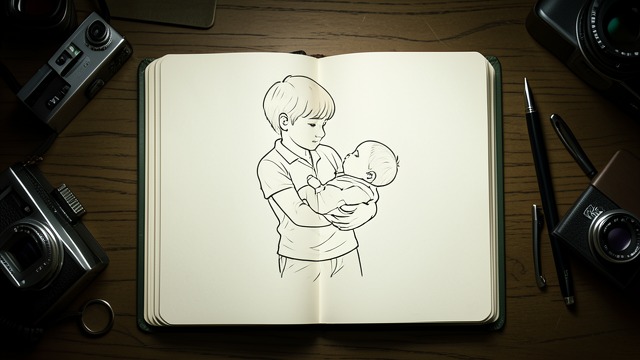
Observation Before Convention
A direct drawing
Werther sketches a boy holding a baby and takes pride in adding nothing beyond what he sees. The scene seems to prove that attentive observation can yield art without elaborate invention.
A principle established
He trusts nature as an inexhaustible source and resists rules that would prune away feeling. The principle links his artistic identity to his broader opposition to restraint.
The Artist and the Rules

Convention as an Embankment
Rules criticized
Werther argues that formal rules may prevent bad work but also diminish genuine feeling. He compares them to embankments that restrain a torrent of creative force.
A romantic ideal
The argument values intensity over moderation and treats artistic freedom as a moral good. Later events show the difficulty of extending that ideal from art to human conduct.
Execution Fails
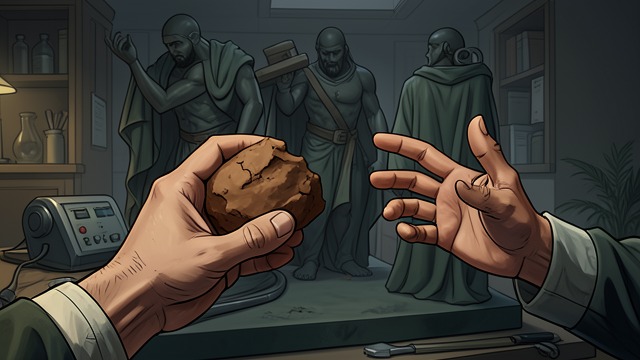
Feeling Without Form
Perception overwhelms skill
Werther says he understands nature deeply but cannot make a clear outline. He considers working in clay because drawing no longer answers his state of mind.
The portrait abandoned
He has failed repeatedly to draw Lotte and settles for a profile. Passion has sharpened his perception but weakened his ability to shape it into controlled artistic work.
The Prince's Advice
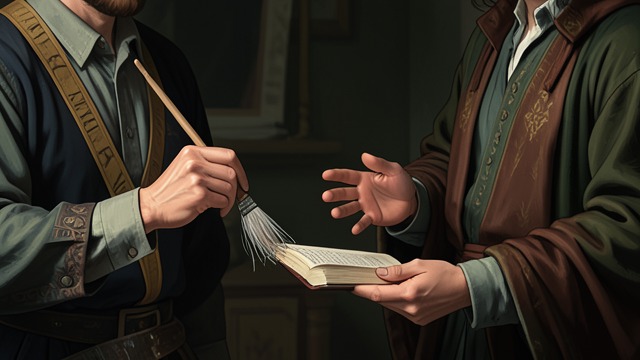
Technique Resented
Instruction rejected
The prince's technical suggestions irritate Werther, who fears they will fetter imagination. He believes his own glowing response to art and nature should guide the work.
Freedom's cost
His resistance protects his sense of originality but limits his willingness to learn from craft. The tension between spontaneity and discipline mirrors the novel's larger conflict between feeling and form.
Ossian's Emotional Form
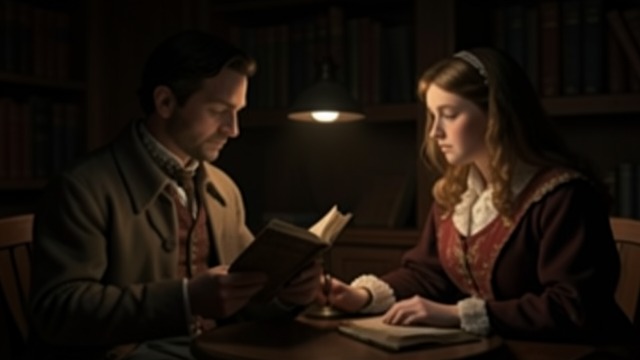
Poetry as Shared Grief
A tragic performance
Werther reads Ossian's songs of bereavement and loss to Lotte. The poems give structure to feelings that neither can easily articulate.
Art's dangerous force
Rather than tempering emotion, the performance intensifies it until Werther crosses Lotte's boundary. The scene leaves open whether art reveals feeling or helps turn it into an overwhelming script.
May 26, at Walheim
Late May, in Werther's letter to William
July 24, during Werther's time near Lotte
June, during the stay at the hunting lodge
Christmas Eve, during the final meeting
